

Calculating the true cost of owning or offering an amenity is far from simple. It’s not just the cost of the equipment, the installation fee or the monthly minimum stated in your contract. It’s also utilities, service fees, accessories, supplies, maintenance, repairs, even staff time.
Equipment costs, installation fees, and monthly minimums? Those are easy to understand. They’re neatly outlined in proposals, estimates, contracts and invoices.
Ancillary fees and adjacent expenses? Not so much. Those costs fluctuate depending on utility usage, maintenance requirements, contractual obligations, community usage, and even the hours your team spends keeping everything in working order.
This article breaks down the major cost categories to account for, highlights the expenses that are easiest to overlook and explains how to estimate the true cost of an amenity before it becomes part of next year's budget.
Which amenities should you budget for?
It can be tempting to evaluate amenities through the lens of what's new or what’s trending, but the amenities worth budgeting for aren't always the ones generating the most buzz. They're the ones your residents will use long after move-in day and that you can realistically support year after year.
That mix will look different at every community. But as you evaluate where your amenity dollars belong, it can help to start with the major categories competing for a place in the budget:
- 01 Outdoor
- 02 Pets
- 03 Social and lifestyle
- 04 Fitness, wellness, and recovery
- 05 Coworking and collaboration
- 06 Technology and connectivity
- 07 Food and beverage
- 08 Package management
- 09 In-unit appliances, conveniences and technology
Consider the recurring costs that emerge after installation.
The initial price tag only tells you what it costs to get started.
Building an accurate budget for an amenity means not only accounting for the purchase or lease price, but also all of the other costs required to keep the service or equipment available, functional and valuable to residents over time.
That means looking at expenses across four key areas:
Upfront costs.
These are the costs that tend to dominate the conversation because they're impossible to miss. They’re typically incurred before residents ever even begin using the amenity, and they’re often mistaken for the total investment when they're really just the starting point.
- Equipment purchases
- Construction and renovation
- Installation and implementation
- Furniture and décor
- Technology and network setup
Operating costs.
Unlike upfront investments, operating costs accumulate through recurring invoices, ongoing services and the day-to-day expense of keeping an amenity running.
- Utilities
- Supplies
- Cleaning and sanitation
- Software subscriptions
- Service contracts
Maintenance costs.
Maintenance isn't a question of if. It's a question of when. Budgeting for routine service and eventual repairs helps extend an amenity's lifespan while preventing unexpected costs from affecting your budget.
- Routine maintenance
- Repairs
- Replacement parts
- Equipment upgrades
Staff costs.
This is where budgets often become fuzzy. Nobody receives an invoice for those fifteen minutes spent troubleshooting, answering resident questions or coordinating a repair. But those minutes are valuable, and they add up. Each of the following tasks pulls your team away from closing leases and caring for residents, making staff time one of the easiest and costliest expenses to overlook.
- Inventory tracking and replenishment
- Equipment troubleshooting
- Vendor management
- Resident assistance
- Repair scheduling
The most commonly overlooked amenity costs.
Often budgeted for
- Equipment
- Installation
- Construction
- Furniture
- Utilities
- Software
- Cleaning
Frequently overlooked
- Staff time
- Troubleshooting
- Vendor coordination
- Supply replenishment
- Resident support
- Equipment downtime
- Replacement planning
How amenity costs differ by category.
No two amenities have the same impact on your budget.
Some demand a large upfront investment. Others generate ongoing operating expenses for years to come. The category an amenity falls into says more about its true cost than the purchase price does.
-
01
Outdoor recreation and social spaces
Landscaping, seasonal upkeep, furniture maintenance, lighting, security, utilities and repairs.
-
02
Fitness and wellness
Equipment maintenance, utilities, cleaning, repairs, reservation management and eventual equipment replacement.
-
03
Coworking
Furniture, Wi-Fi, lighting, electricity, technology, cleaning and ongoing maintenance.
-
04
Technology and connectivity
Wi-Fi infrastructure, hardware upgrades, internet service contracts, network security and tech support.
-
05
Equipment, service, coffee beans, flavors, consumables, ingredients, cleaning and preventative maintenance.
-
06
Paper, toner, internet, electricity, maintenance, technical support and security.
-
07
Package management
Software, equipment maintenance, support and systems upgrades.
Monetary investment is only half of the equation.
An amenity can be inexpensive to operate and still be a poor investment. Likewise, a more expensive amenity may easily justify its cost if residents use it regularly and continue renewing because of the lifestyle it creates.
Budgeting for amenities isn’t about finding the lowest cost, but understanding what you're getting in return.
As you weigh your options, consider questions like:
-
01
How often will it be used?
-
02
How much staff involvement does it require?
-
03
Will it contribute to resident satisfaction and retention?
-
04
Can your performance and usage be measured over time?
The right investments should create meaningful resident impact without creating a burden on your budget or your operational efficiency.
How fully managed solutions make costs more predictable.
Owners want accurate budgets, but amenities don’t typically cooperate.
- Usage fluctuations.
- Last-minute supply orders.
- Equipment failures.
- Service calls.
Amenities are notorious for producing unexpected expenses that turn into costly, unwelcome variances.
That's why property teams are turning to fully managed solutions that feature all-inclusive pricing.
- ✓ Installation.
- ✓ Ongoing monitoring.
- ✓ Resident support.
- ✓ Supplies.
All included.
The result is a simpler operational model that keeps costs predictable, keeps teams focused on high-priority tasks and keeps ownership happy.
Your amenity budget should be as unique as your property.
At the end of the day, there's no universal formula for budgeting for multifamily amenities.
Your budget should be based on everything that makes your property unique - your resident demographics, your market, your operating model, your existing amenity stack and the lifestyle you're trying to create.
Rather than trying to copy or emulate the budgets of other properties, focus on thoroughly understanding what each amenity you are interested in will truly cost and whether that investment will positively contribute to the resident and staff experience.
For a complete framework on evaluating amenities, prioritizing investments, and building an annual amenity budget, explore The Ultimate Guide to Budgeting for Multifamily Amenities.
Looking for more multifamily budgeting insights?
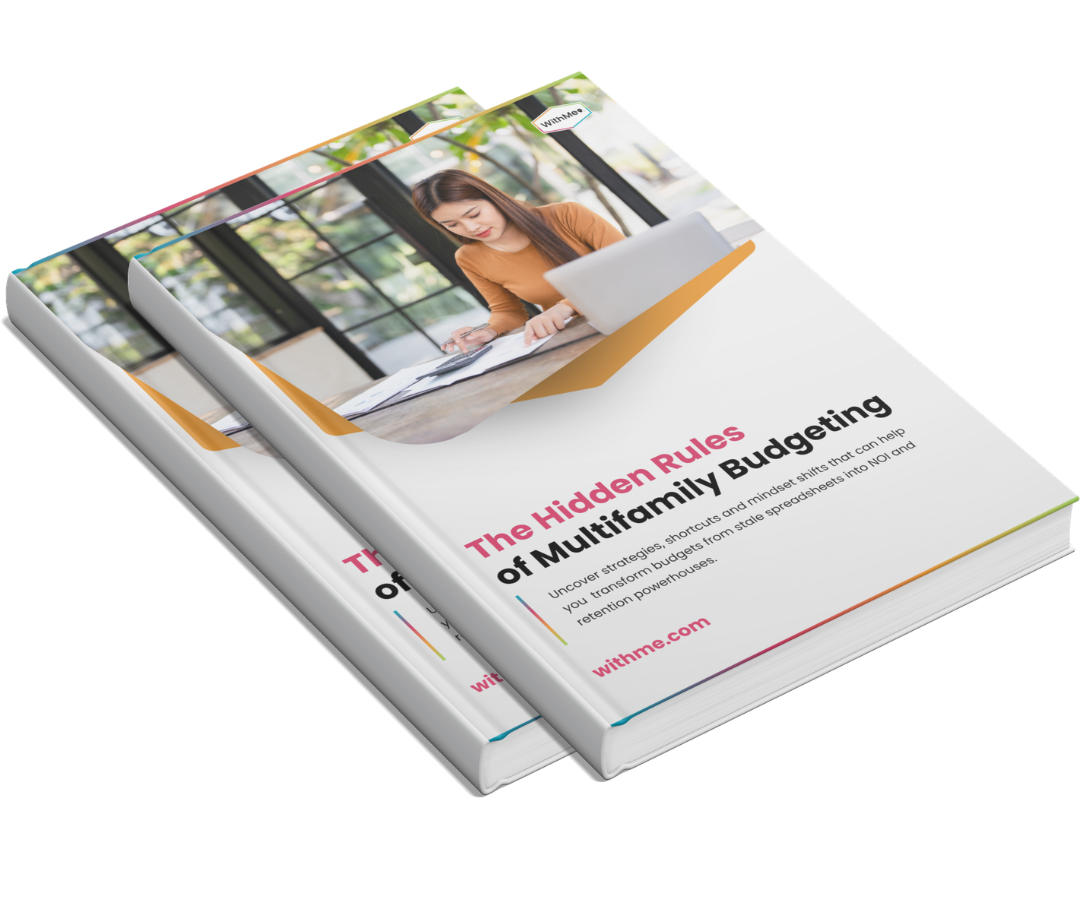
Check out The Hidden Rules of Multifamily Budgeting for practical insights, checklists and amenity strategies you can put to work during your next budget cycle.
Explore the resource