


Smarter amenity planning
Every budget season, operators are forced to answer the same question…
Since my budget is finite, which amenities should I be investing in?
Answering that question is more complex than you may think.
While evaluating and comparing amenities may seem like a straightforward process, but thanks to required maintenance, contractual obligations, utility consumption, staff time, ongoing management, and inevitable repair costs, the full investment tends to reveal itself long after installation.
The communities that see the strongest ROI from their amenity budgets, and subsequent investments, are careful to account for everything that goes into offering them.
How multifamily amenity budgeting has changed.
There was a time when amenity planning was largely about making a great first impression. Resort-style pools, rooftop lounges and movie theaters were all about creating that “wow” factor well before a lease was signed.
Grandiose amenities still have their place, and many are genuinely used and loved by residents, but functionality and everyday utility have become the new priorities.
Today’s amenities should:
- Solve everyday problems instead of creating occasional moments of excitement.
- Simplify operations instead of adding to staff workload.
- Deliver value long after move-in day.
- Scale across growing portfolios without increasing operational complexity.
- Earn their place in your budget through consistent performance and usage.
Resident expectations have become more practical.
Home is no longer just where residents relax.
It’s now where they build careers, earn degrees, run households, pursue hobbies and manage everything life throws at them. As a result, communities have had to become more multifunctional.
Residents want access to services that support their lifestyles, from reliable Wi-Fi and secure package management to on-demand printing and quality coffee just steps from their front door.
These aren’t conveniences for special occasions. They’re conveniences for Tuesday morning.
Retention has become a budget priority.
Retention has become one of the most important drivers of multifamily profitability. Every renewal avoids the cost of turning a unit, remarketing it, leasing it and welcoming a new resident.
Instead of chasing the newest, shiniest amenity, be on the lookout for amenities that residents build their routines around and would genuinely miss if they relocated.
Every positive experience reinforces a resident’s decision to renew. Give them consistency, convenience and fewer everyday frustrations, and they’ll have one more reason to stay.
Capital expenses vs. operating expenses for amenities.
Every amenity comes with a price tag. What isn’t always obvious is when, where and how those costs show up in a budget over time. Understanding the difference now can save a lot of second-guessing later.
What is multifamily amenity CapEx?
Capital expenditures (CapEx) are long-term investments that improve or add to a property’s physical assets. These projects typically require a larger upfront investment and are expected to deliver value for many years.
Common examples include:
- Building a swimming pool
- Renovating a clubhouse
- Constructing a fitness center
- Installing an outdoor kitchen
- Converting existing space into a coworking or flex work area
What is multifamily amenity OpEx?
Operating expenses (OpEx) are the recurring costs of keeping amenities running day after day.
Recurring investmentCommon examples include:
- Cleaning and janitorial services
- Maintenance contracts
- Utilities
- Consumables
- Software subscriptions
- Managed resident printing solutions
- Managed resident coffee amenities
When a managed service makes sense.
Not every amenity requires purchasing, maintaining and overseeing equipment in-house. Many communities are opting for fully managed service models for amenities that offer predictable costs, reliable service and ongoing support. They can ultimately help operators:
- Avoid large upfront equipment purchases.
- Keep their monthly spend predictable.
- Reduce maintenance and manual supply management.
- Simplify portfolio-wide standardization.
- Reduce day-to-day demands on staff.
The result? Resident-loved amenities backed by enterprise-level support and low-lift management.
How to build an amenity budget, step by step.
An effective amenity budget starts long before anyone opens Excel. It starts with understanding what residents value, where you spend your time and which investments deliver the greatest ROI.
-
Evaluate your current amenity portfolio.
Review your existing amenities to understand what’s performing well, what’s underused and what’s creating the most value.
-
Understand your residents’ priorities.
Gather feedback through surveys, reviews, leasing conversations and renewal insights to learn which amenities have the biggest impact.
-
Separate capital expenses from operating expenses.
Distinguish between upfront investments (CapEx) and ongoing costs (OpEx) to understand the full financial picture.
-
Estimate total cost of ownership.
Look beyond the purchase price by accounting for routine maintenance, utility consumption, contractual obligations, inevitable repairs and replacement costs.
-
Prioritize amenities based on ROI.
Compare amenities based on resident demand, operational burden and long-term value.
-
Build your annual amenity budget.
Organize expenses into clear categories and allocate funds based on your priorities and expected costs.
-
Measure performance throughout the year.
Carefully track utilization, resident satisfaction, operating costs and overall performance throughout the year so you can properly evaluate your amenity investments and course correct during future budgeting cycles.
Amenity budgeting checklist
The complete cost of an amenity.
When evaluating a new amenity, don’t stop at the purchase price. Make sure your budget accounts for:
Select each expense you’ve accounted for in your amenity budget.
Interactive amenity scorecard
Score every amenity before you budget!
Before approving a new amenity, score it across the criteria that matter most to both residents and operations.
Do residents incorporate it into their daily or weekly routines?
Does it improve the overall resident experience?
Does it reduce staff workload?
Are operating costs predictable?
Is maintenance minimal?
Will it still provide value five years from now?
Can you easily measure success and adoption?
Your amenity assessment
Score all seven criteria to see your result.
How much should multifamily communities spend on amenities?
There isn’t a universal percentage or dollar amount every community should dedicate to amenities. Budget requirements vary based on property size, resident demographics, competitive landscape, existing amenity mix and long-term goals.
The short answer
There is no magic number. The right budget is built around your community, residents and long-term priorities.
What should your amenity budget account for?
| Budget category | Typical budget considerations |
|---|---|
| Fitness center | Equipment maintenance, flooring, cleaning, repairs and equipment replacement. |
| Pool | Chemicals, utilities, inspections, maintenance and seasonal opening and closing. |
| Coworking | Furniture, Wi-Fi, coffee, office equipment, printing and cleaning. |
| Coffee | Equipment, service, coffee beans, flavor powders and syrups, consumables, cleaning and staff time. |
| Printing | Equipment, service fees, toner, paper, maintenance, resident support and staff time. |
| Outdoor spaces | Furniture, landscaping, lighting, irrigation and seasonal maintenance. |
Which amenities deliver the highest ROI?
Amenity ROI depends largely on a community’s unique characteristics, but the strongest candidates tend to have three things in common: they’re consistently used, easy to operate and contribute to closed leases, resident satisfaction and retention.
High-use vs. high-maintenance amenities.
| Amenity | Resident demand | Operational burden | ROI potential | Primary benefit |
|---|---|---|---|---|
| Fitness center | High | Medium | High | Leasing, retention and wellness. |
| Pool | Medium (seasonal) | High | Medium | Lifestyle appeal and resident experience. |
| Coworking space | Medium to high | Medium | High | Remote and hybrid work support and flexibility. |
| Package lockers | High | Low | High | Convenience and staff efficiency. |
| Coffee amenity | High when managed well | Varies by service model, but low for fully managed. | High | Daily engagement and resident satisfaction. |
| Printing amenity | High when managed well | Varies by service model, but low for fully managed. | High | Convenience and staff efficiency. |
Budgeting for the remote and hybrid work era.
Remote and hybrid work haven’t just increased demand for coworking spaces. They’ve raised the bar on what residents expect those spaces to provide.
The short list:
These features and services may add dollars to your budget, but they also create spaces that power productivity and ultimately contribute directly to resident satisfaction and retention.
Multifamily amenity budget checklist.
✓ Budget review complete. You’ve covered the essentials.
Looking for more multifamily budgeting insights?
Check out The Hidden Rules of Multifamily Budgeting for practical insights, checklists and amenity strategies you can put to work during your next budget cycle.
Explore the resource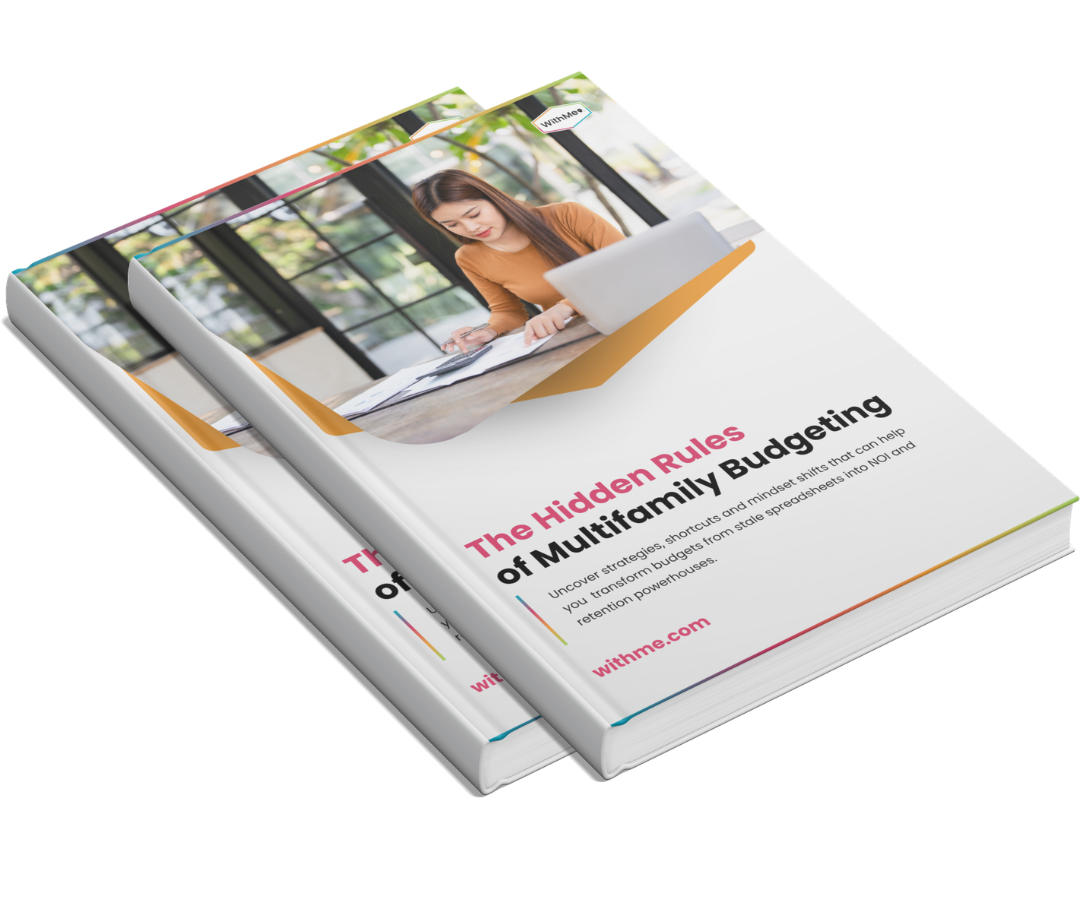
Frequently asked questions.
From budgeting best practices to common cost considerations, these FAQs cover the essentials.
How much should an apartment community budget for amenities?
There isn’t a one-size-fits-all answer. Instead of targeting a specific dollar amount, focus on building a budget around resident demand, total cost of ownership and operational priorities.
What expenses should be included in a multifamily amenity budget?
A complete amenity budget should account for both upfront and recurring costs, including installation, equipment, maintenance, utilities, consumables, cleaning, staffing, vendor contracts, software, repairs and replacements.
Are apartment amenities considered CapEx or OpEx?
Both. Building or renovating an amenity is typically a capital expense (CapEx), while maintaining and operating it over time falls under operating expenses (OpEx).
How do you calculate the total cost of ownership for an amenity?
Look beyond the purchase price. Factor in maintenance, utilities, consumables, contractual obligations, staff time, repairs, replacement cycles and any recurring service fees to understand what an amenity will cost throughout its lifecycle.
What is the average cost for developing a new fitness center in a multifamily property?
The cost of a multifamily fitness center varies widely based on the size of the space, the quality of the equipment, finishes and whether you’re renovating an existing room or building a new one. Most projects range from tens of thousands to several hundred thousand dollars.
Which companies specialize in budgeting software for multifamily property amenities?
Most operators manage amenity budgets through broader property management and accounting platforms rather than software designed exclusively for amenities. Solutions like Yardi, RealPage, Entrata, MRI Software and AppFolio all include budgeting and financial planning tools that can support amenity planning.
What financing options are available for apartment complex amenity upgrades?
Common funding options include capital improvement budgets, reserve funds, traditional financing, vendor financing and phased renovation plans. The right approach depends on your property’s financial goals, ownership structure and the scope of the project.
How do you create an effective budget plan for multifamily community amenities?
Start by evaluating your current amenity mix, gathering resident feedback, separating capital and operating expenses, estimating the total cost of ownership and prioritizing investments based on long-term ROI. Once your annual amenity budget is built, review performance throughout the year, not just during your annual budget cycle.
Which companies specialize in designing and building luxury apartment amenities?
Architecture, design and construction firms across the country specialize in creating amenity spaces in multifamily communities, including fitness and wellness areas, clubhouses, coworking areas and outdoor gathering spaces. The right partner will depend on your property’s location, budget and overall vision.
What are the best budgeting tools for managing multifamily amenity expenses?
The ones already integrated into your financial planning process. Many operators rely on budgeting features within property management software, combined with spreadsheets, business intelligence dashboards and vendor reporting to monitor costs and forecast future investments.
How do I create a detailed budget for a community lounge renovation?
A comprehensive renovation budget encompasses demolition, construction, FF&E, technology, lighting, finishes, permitting, labor, contingency funds and any ongoing operating costs associated with maintaining the space after completion.
What are the essential line items for an outdoor recreation space budget in an apartment building?
An outdoor recreation budget should account for site preparation, landscaping, furniture, lighting, hardscaping, utilities, irrigation, maintenance, seasonal upkeep and repairs.