

Centralization can feel like a scary word. Many worry it will strip local teams of autonomy, make operations inflexible or dilute meaningful interactions with residents. In practice, it empowers teams and gives leaders the tools and bandwidth they need to focus on the human side of property management.
In WithMe, Inc.’s The Future of Multifamily Leadership in an AI-Driven 2026 webinar, a panel of industry leaders shared their insights and experiences on how centralizing systems and processes can help property teams work smarter, stay aligned, and preserve the personal touch that makes a property feel like home.
What Centralization Really Means
Centralization isn’t about removing power. It’s about organization.
At its simplest, centralization means bringing systems, processes and data into one unified structure instead of each property or team operating in isolation.
Think of it as giving your property management a spine. It brings tools, information, and workflows into alignment so teams know what’s happening, issues are caught before they spiral, and leaders gain a clear, portfolio-wide view across all properties.
With centralized systems, it becomes much easier to:
- Track performance and outcomes consistently
- Establish accountability and ownership
- Standardize workflows without stifling flexibility
- Reduce mistakes and things falling through the cracks
In practice, centralization can take many forms. Centralized leasing platforms help teams engage prospects faster and more effectively, while standardized training systems enforce consistent policies and procedures without limiting property-level flexibility. Maintenance coordination can also be centralized through shared scheduling systems so requests are tracked, prioritized and efficiently resolved.
As Lisa Landis, senior vice president of operations at LSA Management, noted during the webinar, centralization helps strengthen and support leadership. “It gives us better information so we can make better decisions, have the conversations we need and build the relationships we need,” she said.
It’s simple: organize the tools, free the team, serve the residents better.
Centralization Behind the Scenes
Centralization delivers its greatest value behind the scenes, and that’s exactly the point. Instead of relying on disconnected tools and location-specific workarounds, a centralized system creates alignment and standardizes how amenities are managed, how performance is tracked, and how issues are addressed.
Information lives in one place, performance is easy to compare and nothing slips through the cracks. The result is less operational noise and more capacity for teams to focus on improving outcomes.
When centralization works well, it stays out of the way.
Centralization vs. Automation and AI
Centralization, automation and artificial intelligence often get lumped together, but they play very different roles.
- Centralization is the foundation. It brings systems, data, and workflows into a single, shared structure so teams know what matters, who owns what, and how work moves across properties.
- Automation builds on that foundation. It handles repeatable, menial tasks and executes work consistently within an established framework.
- AI goes a step further, surfacing patterns, forecasting outcomes and supporting decision-making through advanced analysis.
When these layers work together, teams move faster and with more confidence. When they don’t, inefficiencies compound. That’s why centralization has to come first. Without it, automation and AI don’t create efficiency, they amplify confusion.
Supporting Leadership and Accountability
Centralization doesn’t distance leaders from the work. It raises the bar for leadership.
Dashboards and reports can surface progress and flag risks, but they can’t replace presence. Leaders still need to spend time at properties, talk directly with their teams and understand context beyond the data. The difference is that centralized systems remove guesswork. Leaders arrive informed, prepared, and able to have better conversations, sooner.
In this way, centralization creates the conditions for better leadership.
Real-Life Benefits for Multifamily Teams
Centralization isn’t just a back-office convenience, it’s a strategic lever for multifamily portfolios to operate at scale without sacrificing the resident experience.
Shifting administrative responsibilities to a central system frees on-site teams to focus on what truly drives value: building relationships with residents. Core operational tasks, such as invoicing, leasing coordination, compliance, and resident retention are managed centrally, which creates predictable, efficient workflows that support high-quality service across all properties.
Leadership and regional managers also gain clarity and control from centralized oversight. Unified reporting and processes provide a clear, portfolio-wide view of performance without being consumed by fragmented data or ad hoc requests. With this visibility, leaders can identify trends, resolve issues proactively and maintain consistent operational execution across all properties.
Flexibility is another hallmark of effective centralization. Cross-functional central service teams allow organizations to standardize workflows while tailoring responsibilities to the unique needs of each community. The key principle is to centralize processes, not people. Operations become repeatable and scalable without restricting local decision making or autonomy.
Operators who embed centralization into their operational model can transform routine administrative work into a foundation for efficiency, reliability and differentiated service.
Getting Started with Centralization
Centralization works best when it’s approached as a strategic shift, not a quick systems upgrade.
It starts with clarity. Teams need a shared understanding of how work actually happens today: where processes diverge, where bottlenecks exist and where responsibilities blur. Without that baseline, centralization risks organizing chaos instead of eliminating it.
Ownership is equally critical. Clear accountability from on-site teams through corporate leadership ensures centralized systems support decision making rather than obscure it.
Technology choices should follow these decisions, not lead them. The right tools make workflows visible, reporting reliable and collaboration easier without forcing rigid processes that don’t reflect real operations.
And centralization is never “done.” Ongoing training, regular review and small adjustments over time are what turn centralized systems into lasting operational advantages.
At its core, centralization in multifamily isn’t about control. It’s about clarity. It creates the conditions for automation and AI to work effectively while ensuring residents receive consistent, attentive service.
“The more automated and centralized things become, the more intentional we must be about real conversations,” Landis concluded. That’s the paradox of modern multifamily leadership: technology simplifies the operational side, but human connection remains at the core of what makes a property team successful.
Centralized Amenities, Simplified Management
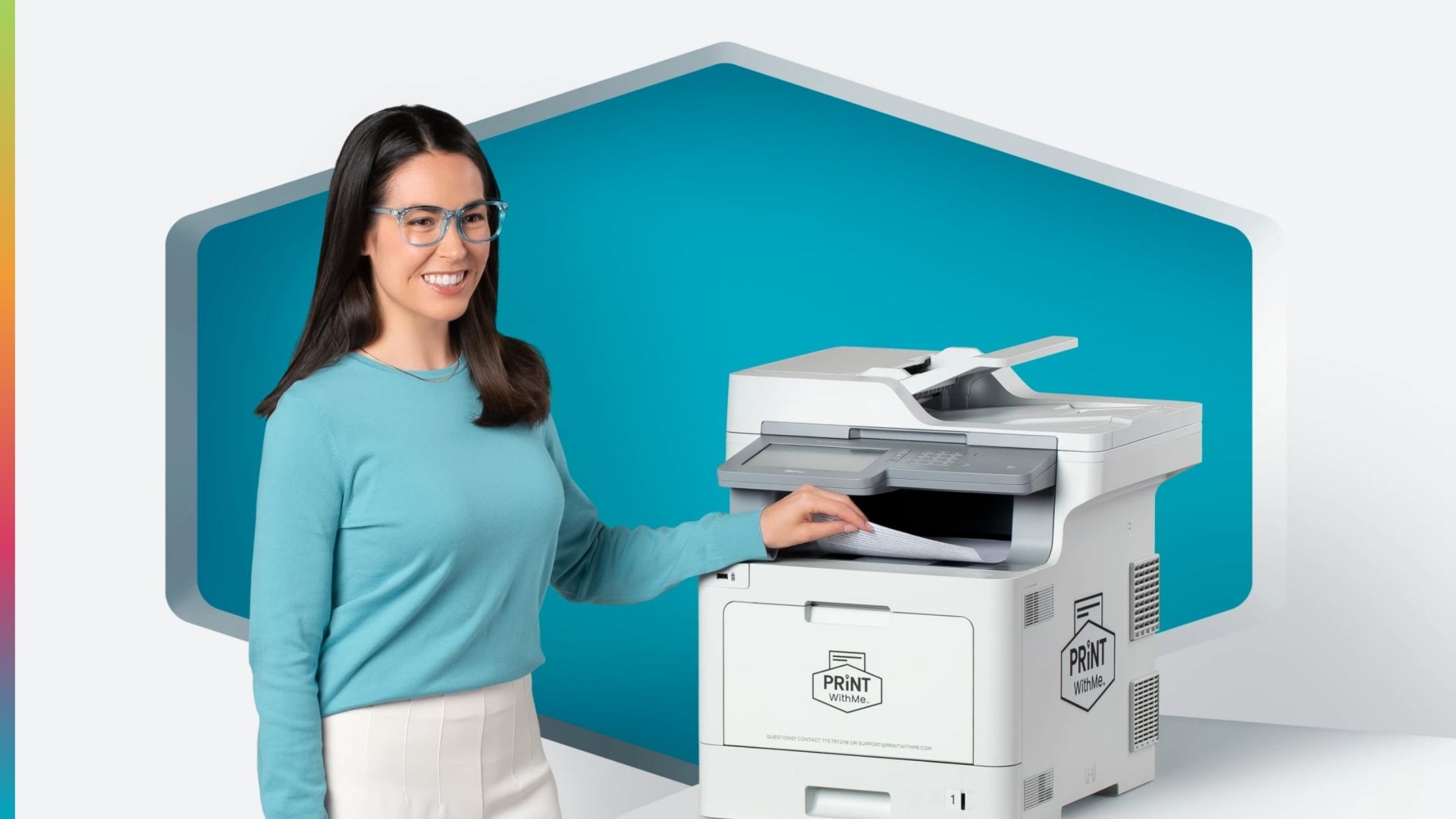
Cloud-connected amenities, like PrintWithMe and SipWithMe, are built with centralized management in mind. Because they are remotely monitored and centrally managed, teams can oversee usage, performance, and service needs across multiple properties without relying on manual tracking or on-site intervention. Issues are identified faster. Updates are applied consistently. Support happens without disrupting staff or residents.
For multifamily operators managing portfolios rather than single buildings, that kind of visibility matters. Connected, cloud-based amenities make it easier to maintain consistency across properties while keeping on-site teams focused on their communities.
In this way, centralized technology doesn’t replace local teams. It supports them, giving leaders centralized visibility and allowing on-site staff to stay focused on residents rather than system management.
We developed a reference for when these concepts start to feel a little confusing. The AI, Automation & Centralization Cheat Sheet clarifies the role each technology plays and how they work together to create consistency, insight and breathing room for teams.