

Community amenities are the spaces and services residents share beyond their apartments. A package room handles deliveries. A coworking area gives people somewhere else to focus. A fitness center puts a workout a short walk from home. Each serves a different part of daily life.
This list looks at 10 options for apartment buildings, including what residents get from each one and what property teams need to consider before adding it.
Start with the purpose
What makes a community amenity worth adding?
An amenity does not create value simply because it looks impressive on a property tour. It needs to address a real resident need, fit naturally into daily life and remain manageable for the team responsible for it. Before committing space and budget, evaluate each option against four practical criteria.
It solves a real resident need
The amenity should make something residents already do more convenient, accessible or enjoyable.
Residents will use it regularly
Frequent, repeatable value usually matters more than an impressive feature residents rarely need.
It fits the property
Available space, resident demographics, location and building type should all influence the final amenity mix.
The team can manage it
Maintenance, supplies, support and long-term operating costs need to remain realistic after installation.
The best community amenities balance resident value with operational reality. If residents benefit from it and the property can keep it reliable, it is worth serious consideration.
Ideas for your property
10 community amenities worth making room for
The right mix will depend on your residents, available space and operating budget. These 10 amenities address common needs while giving residents more reasons to use and enjoy the shared areas of their community.
Coworking spaces
A dedicated coworking space gives remote and hybrid workers somewhere to focus without leaving the property. Reliable Wi-Fi, comfortable seating, outlets and a few private areas can make the space useful for individual work and video calls.
Consider: Noise control, internet capacity, seating variety and whether residents need private rooms they can reserve.
Fitness centers
An on-site fitness center makes it easier for residents to exercise around their schedules. A thoughtful mix of cardio equipment, strength-training options and open floor space can serve more residents than a room filled with one type of equipment.
Consider: Equipment maintenance, cleaning, ventilation, accessibility and the times when residents are most likely to use the space.
Secure package rooms
A secure package room creates one organized place for deliveries and gives residents more flexibility when collecting their orders. It can also reduce the number of packages being stored behind the front desk or left in common areas.
Consider: Delivery volume, resident notifications, access controls, oversized packages and how the team will handle items that remain unclaimed.
Self-serve coffee stations
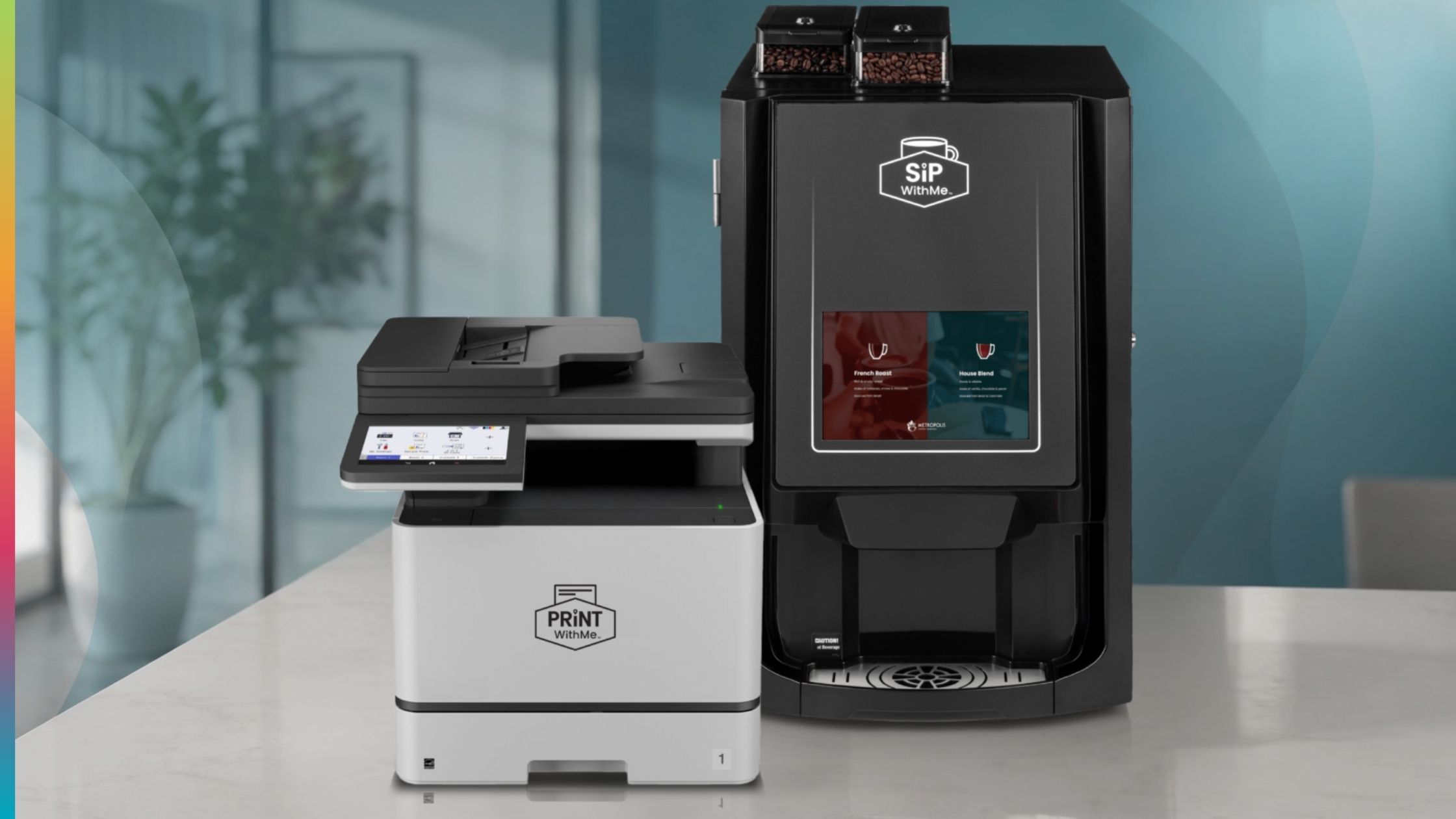
Coffee can turn a lobby, lounge or coworking area into a more inviting place to spend time. A professionally managed apartment coffee amenity also gives residents everyday convenience without requiring property teams to manage equipment and supplies on their own.
Consider: Daily usage, beverage variety, supply replenishment, cleaning requirements and access outside office hours.
Resident printing
Even in a digital-first world, residents still need to print return labels, schoolwork, forms and other documents. A self-serve apartment printer gives them secure, on-demand access while reducing printer-related requests for the property team.
Consider: Document security, mobile compatibility, supply monitoring, maintenance and whether residents can access the printer after office hours.
Outdoor gathering spaces
Rooftop decks, courtyards, grilling stations and shaded seating areas give residents more ways to spend time outside. These spaces can support casual gatherings, property events or a quiet change of scenery.
Consider: Weather, lighting, noise, furniture durability, seasonal maintenance and clearly communicated hours.
Pet-friendly amenities
Dog parks, pet-washing stations and waste stations make everyday pet care easier for residents. They can be especially valuable at properties where a large share of residents own dogs or have limited access to nearby green space.
Consider: Drainage, cleaning, waste removal, noise, safety rules and whether the amenity matches the number and types of pets in the community.
Smart access and building technology
Mobile entry, smart locks, connected thermostats and digital guest access can make daily routines more convenient. These features may also help property teams manage access and respond to common service needs more efficiently.
Consider: System compatibility, resident privacy, cybersecurity, technical support and what happens when a device or internet connection fails.
Wellness and quiet spaces
Not every resident wants a high-energy amenity. A yoga room, meditation space, reading room or quiet lounge can support residents who want to relax, recharge or spend time away from a busy apartment.
Consider: Sound separation, lighting, flexible furnishings and whether the space can support more than one type of low-impact activity.
Flexible community rooms
A flexible community room can support resident events, small celebrations, workshops and informal gatherings. Movable furniture and reservable time slots help the space adapt to different needs throughout the week.
Consider: Reservation rules, occupancy limits, cleaning, noise, furniture storage and how residents will access the space.
Making the right choice
How to choose community amenities for your property
A popular amenity is not automatically the right investment for every community. Before committing space and budget, look at who will use it, how it will operate and what it should accomplish.
-
Start with your residents
Review resident surveys, service requests, online reviews and leasing conversations. Look for needs that appear repeatedly instead of relying only on broader industry trends.
-
Review the space you already have
Identify underused rooms and common areas before planning an expansion. A quiet corner of a clubhouse may become a coworking area, while part of a lobby may support coffee or resident printing.
-
Calculate the full cost
Include equipment, installation, supplies, utilities, cleaning, repairs and staff time. The purchase price alone rarely reflects what an amenity will cost to operate over time.
-
Plan for daily management
Decide who will restock supplies, respond to problems, manage reservations and monitor usage. If those responsibilities are unclear, the amenity may quickly become another task for the on-site team.
-
Define how success will be measured
Track the outcomes that matter to your property, such as resident usage, satisfaction, leasing feedback, staff time saved or renewal conversations. These results can guide future amenity decisions.
The goal is not to fit every possible amenity into the property. It is to choose a manageable mix that reflects how residents live and gives them something genuinely useful.
More than a feature list
Why community amenities matter
Amenities shape how residents experience a property after the leasing tour is over. When they are useful, accessible and well managed, they can support both resident satisfaction and property performance.
They make everyday tasks easier
Useful amenities save residents time and reduce the need to leave the property for routine tasks. Printing a document, collecting a package or finding somewhere quiet to work becomes part of the community experience.
They help prospects picture life at the property
Amenities give leasing teams tangible ways to show how a community supports residents’ routines. The strongest selling points are often the features prospects can easily imagine using after move-in.
They create more reasons to stay
Residents are more likely to value amenities that remain reliable throughout their lease. A consistently useful amenity can become part of the overall experience they consider when deciding whether to renew.
They can support residents without adding more work
Self-serve and professionally managed amenities can meet common resident needs while limiting the day-to-day involvement required from on-site teams. That makes the operating model as important as the amenity itself.
A community does not need the longest amenity list in the market. It needs amenities that residents understand, use and can depend on.
Final thoughts
Make room for amenities residents will use
The best community amenities do not need to be the biggest or most elaborate. They need to make sense for the people who live at the property and the teams responsible for operating it.
Start with a clear resident need, understand the full operational commitment and choose solutions that can deliver a consistent experience over time.
Make everyday printing easier
Give residents secure, self-serve printing without adding printer maintenance and supply management to your team’s workload.
Explore PrintWithMe →Create a better coffee experience
Offer residents convenient, premium coffee with equipment, supplies and ongoing service managed for your property.
Explore SipWithMe →