

Opening a fitness room is one decision. Keeping its equipment working, access clear, and hours suited to residents is the ongoing job. The same applies to coffee, printing, package storage, workspaces, and every other shared service on an apartment amenities list.
Amenity management covers that ongoing work: choosing what belongs at the property, assigning responsibility, tracking use, responding to problems, and deciding what to change. Here’s a practical way to manage community amenities after opening day.
What is amenity management?
Amenity management is the process of operating and improving the features and services a property offers residents. It includes the visible parts, such as access and condition, and the work behind them, such as supply planning, repairs, vendor coordination, and resident support.
Choose
Match the service to resident demand and the property.
Operate
Set access rules, ownership, supplies, and support.
Review
Look at use, service issues, costs, and resident feedback.
A pool and a printer require different operating plans, but both need someone responsible for keeping the experience consistent.
Start with the right amenities for the property
Begin with resident requests, the property’s location and layout, and the services people currently leave the building to use. A student housing community may have strong demand for study space and printing. A property with many pet owners may get more use from a dog wash than a media room. These are starting points for research, not rules for every building.
Before adding an amenity, ask:
- What resident task or request would it address?
- How many residents could use it, and how often?
- Does the property have the right space and infrastructure?
- Who will keep it available throughout the year?
Keep a mix of purposes in view: fitness or outdoor space for recreation, work areas for focus, package handling for deliveries, and services such as coffee or printing for everyday errands. The mix should reflect the residents and the building’s capacity to operate it.
Measure usage without losing the context
Usage data can show whether residents are finding an amenity and returning to it. Start with a few measures that your team can collect consistently:
| Measure | What it helps answer |
|---|---|
| Number of users | How many residents used the amenity during the period? |
| Frequency | Is use occasional or part of a regular routine? |
| Service issues | How often is access interrupted, and for how long? |
| Operating cost | What does the property spend on service, supplies, and staff time? |
Interpret those numbers by amenity. Coffee may generate daily transactions; a printer may be valuable precisely because it is there when a resident occasionally needs a document. Low use deserves a closer look, but it does not automatically mean the service has no value.
Pair resident feedback with service records
Ask residents about amenities in surveys, renewal conversations, and routine interactions. Specific questions work better than “Do you like the amenities?” Ask which spaces they use, what keeps them from using others, and what has been unavailable when needed.
Compare those answers with work orders and vendor reports. Repeated complaints about a coffee station may point to downtime, location, or limited hours. A quiet coworking room may need better signage, stronger Wi-Fi, or a different layout before the property considers replacing it.
Track the interruption: Record when an issue was reported, when service was restored, and how residents were informed. A repaired amenity is only part of the response if residents still think it is unavailable.
Assign the work before it reaches the leasing desk
Every amenity creates operational tasks. Fitness equipment needs inspection and repairs. Package systems need carrier access and overflow procedures. Coffee and printing need supplies, support, and a way to handle equipment issues.
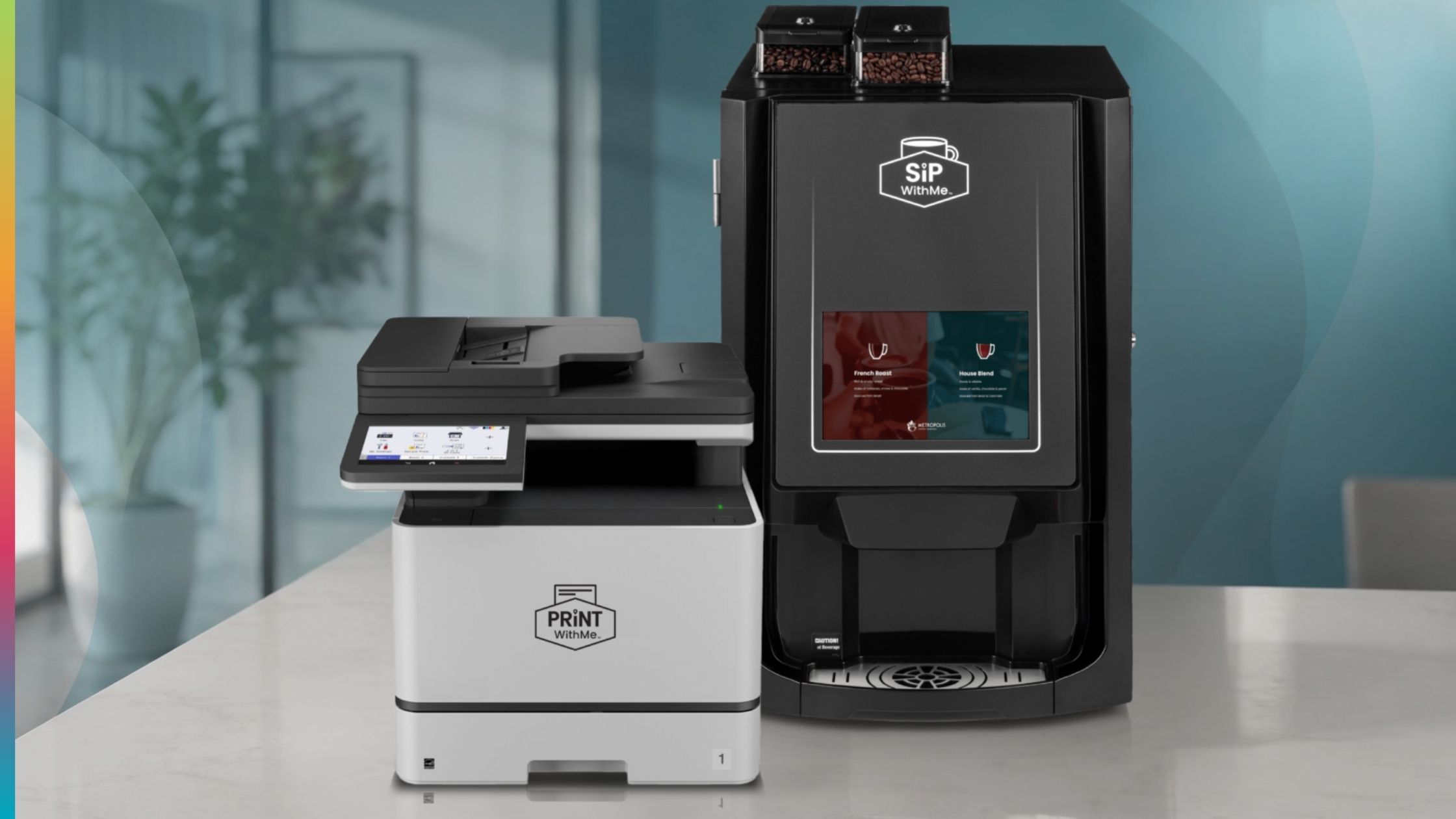
Decide which tasks belong to the onsite team and which belong to a service provider. Managed programs such as SipWithMe and PrintWithMe can take on substantial parts of coffee and printing operations. The property should still know its responsibilities, support contacts, and escalation process.
Put these details in the operating plan
- Daily or weekly checks
- Supply and service ownership
- Resident instructions and support contacts
- Response process when equipment is unavailable
- Monthly cost and usage reporting
Review the amenity program regularly
A monthly review can catch service problems early: repeated outages, supply gaps, access complaints, or a sudden drop in use. A broader quarterly review can look at the apartment amenities list as a whole. Are residents requesting something the property lacks? Is an existing space serving its intended purpose? Has an amenity become expensive to operate relative to its use?
Keep, improve, relocate, or replace an amenity based on what the records and residents tell you. Changes can be modest: clearer instructions, adjusted hours, a better location, or a different service arrangement may solve the problem without a new buildout.
Good amenity management makes the offering dependable after the tour is over. Residents know what is available and how to use it; property teams know who is responsible for keeping it that way.